Provisional thinking, embodied cognition, and the aesthetics of uncertainty
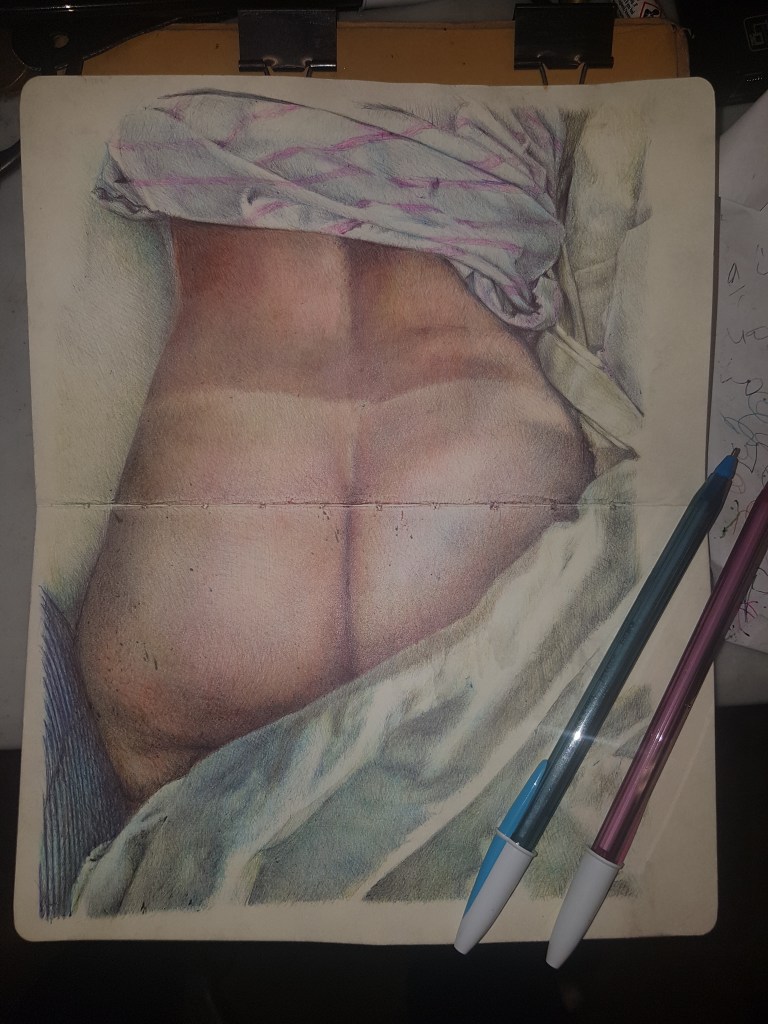
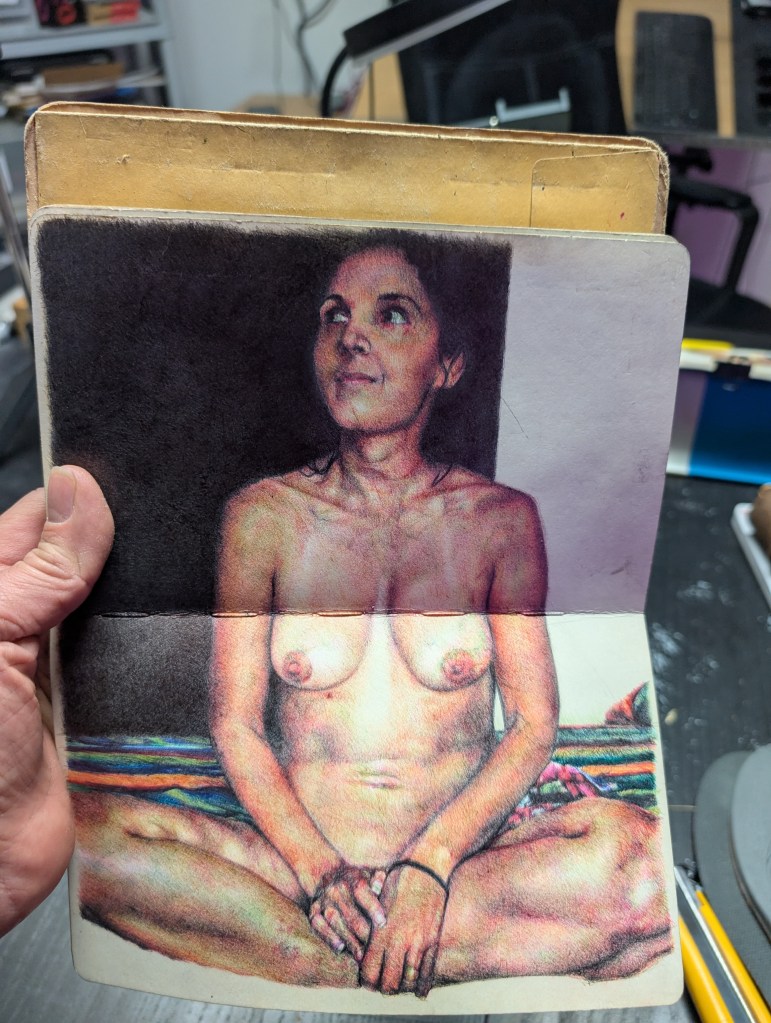
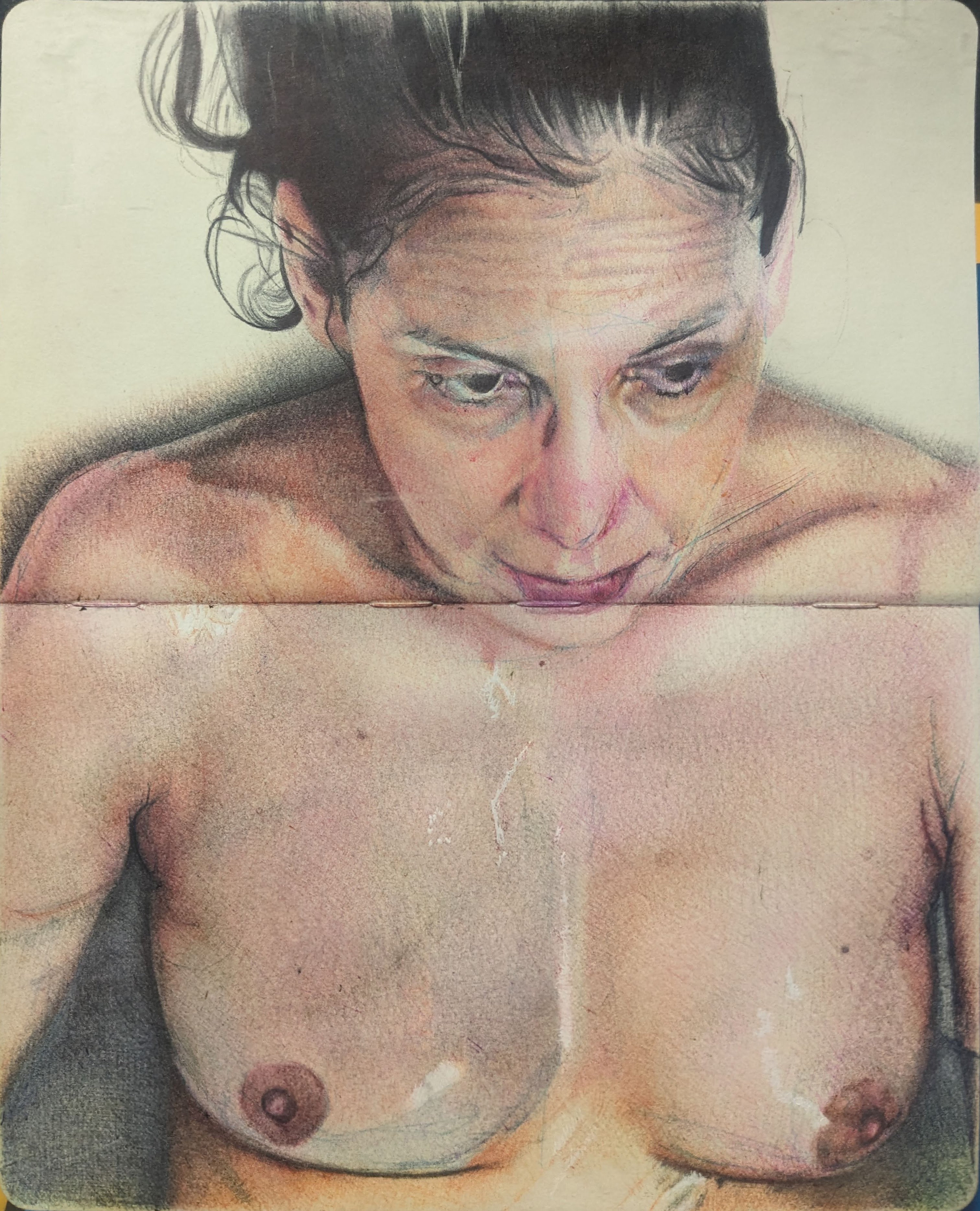
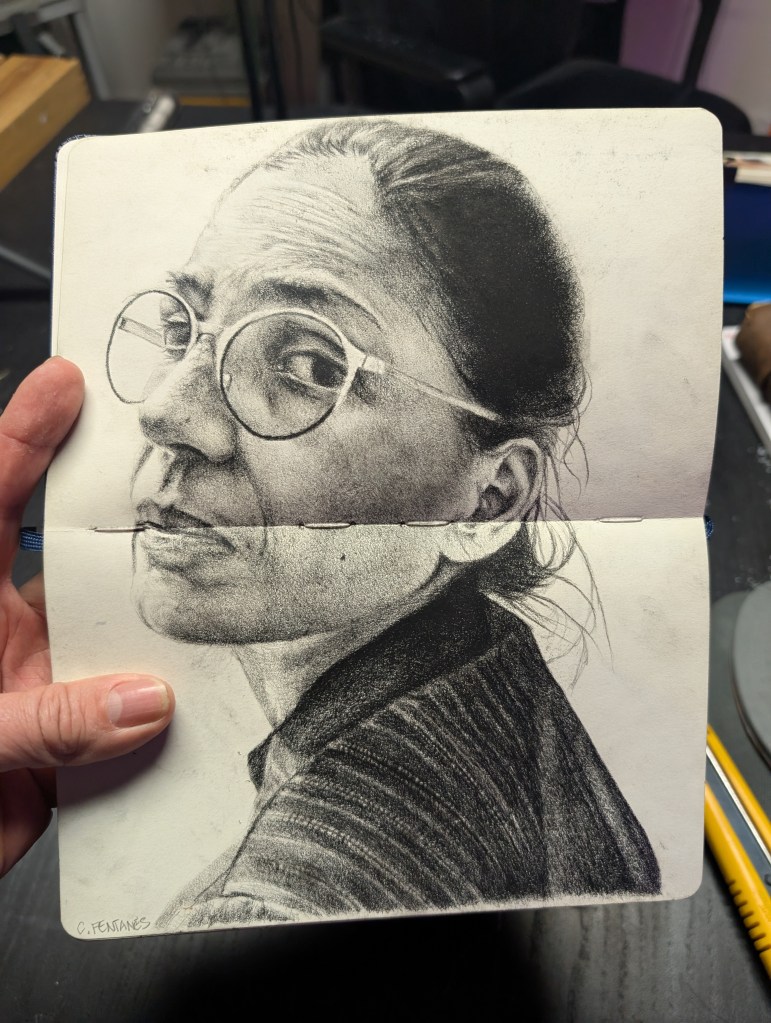
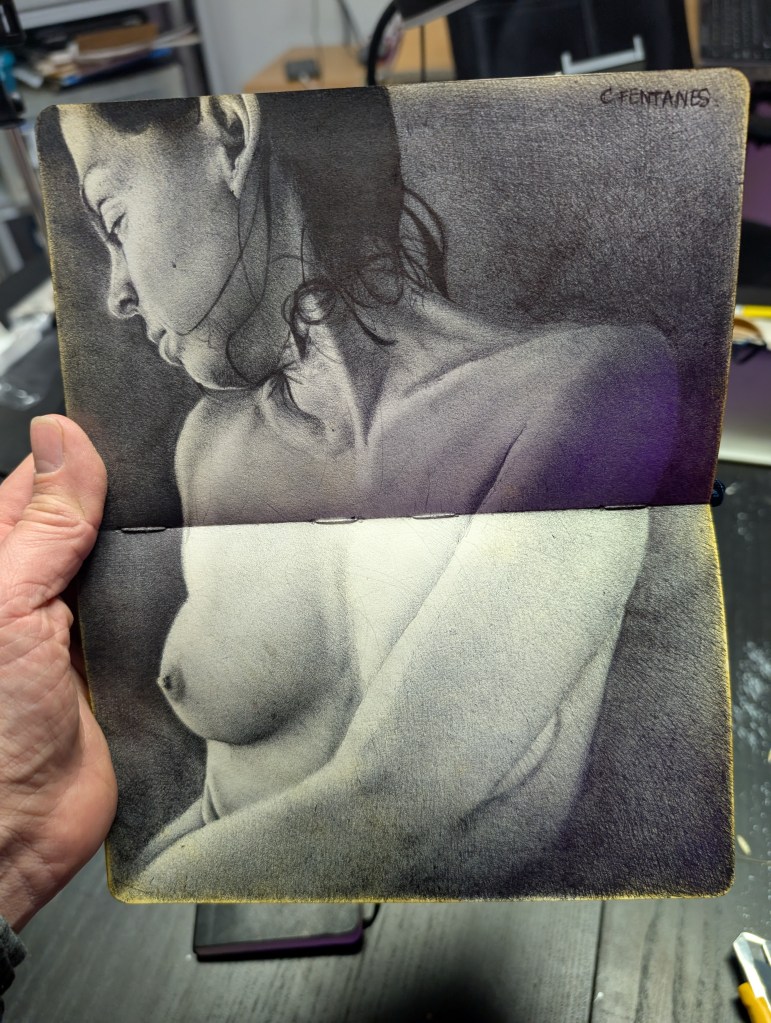
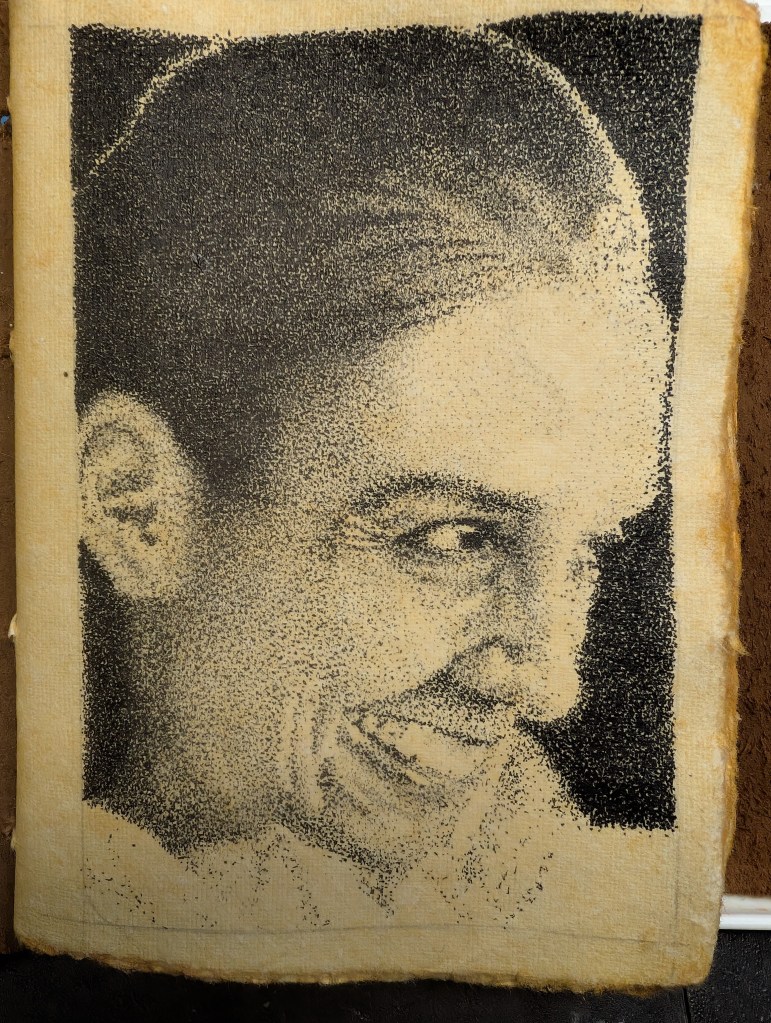
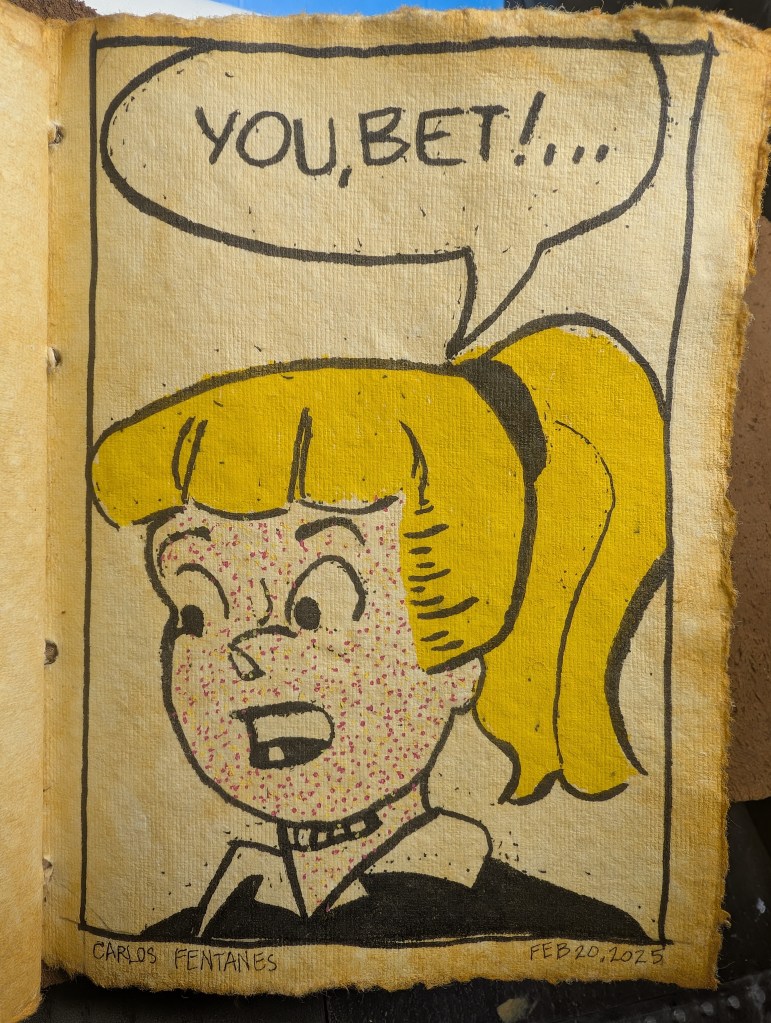
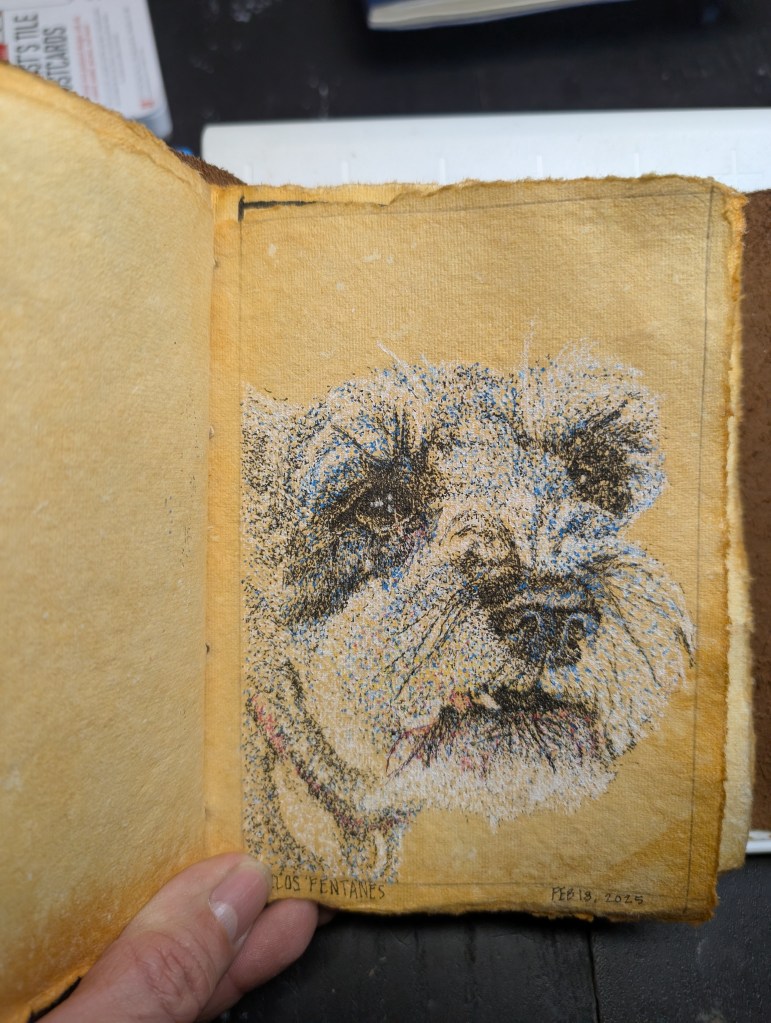
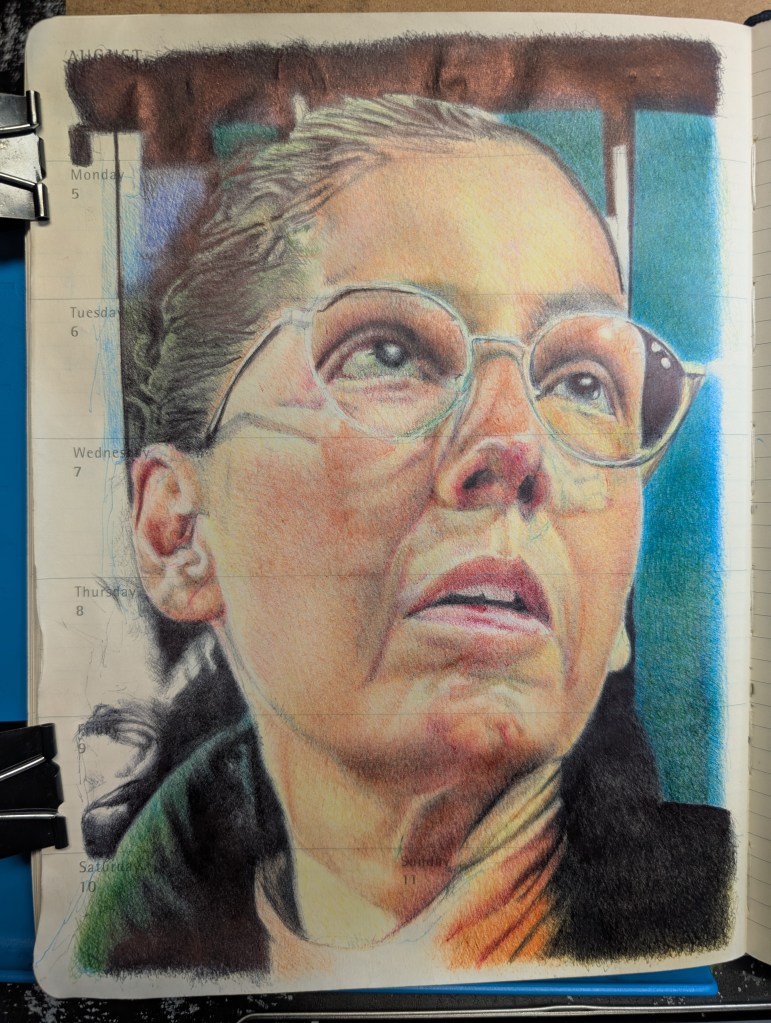
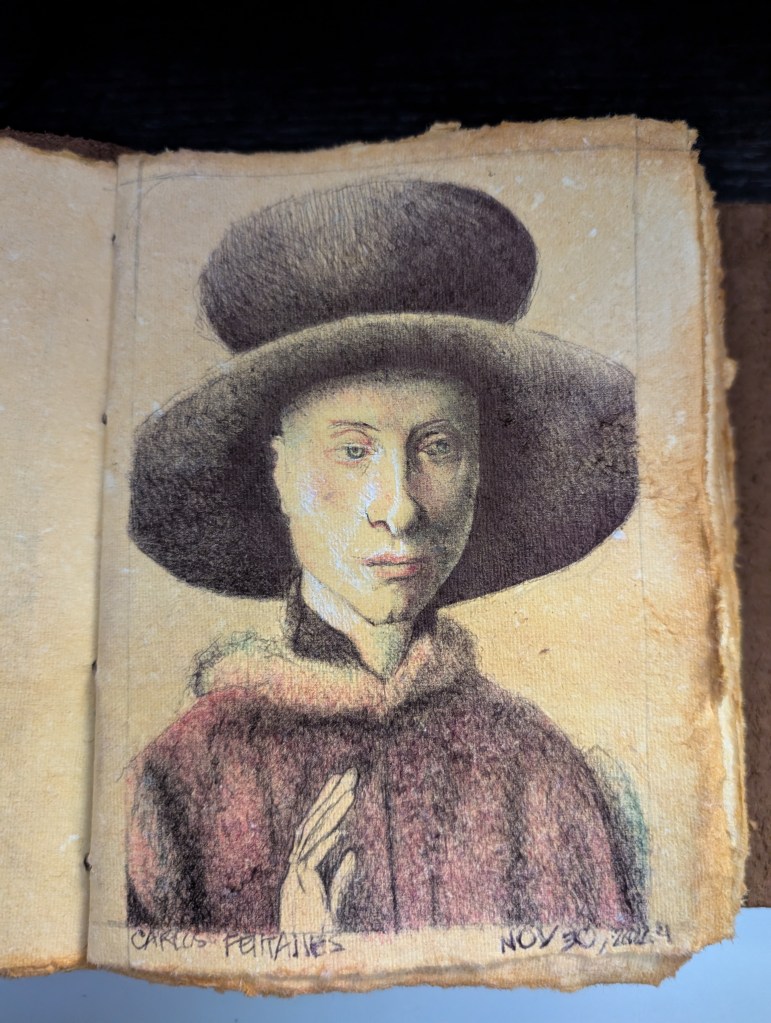
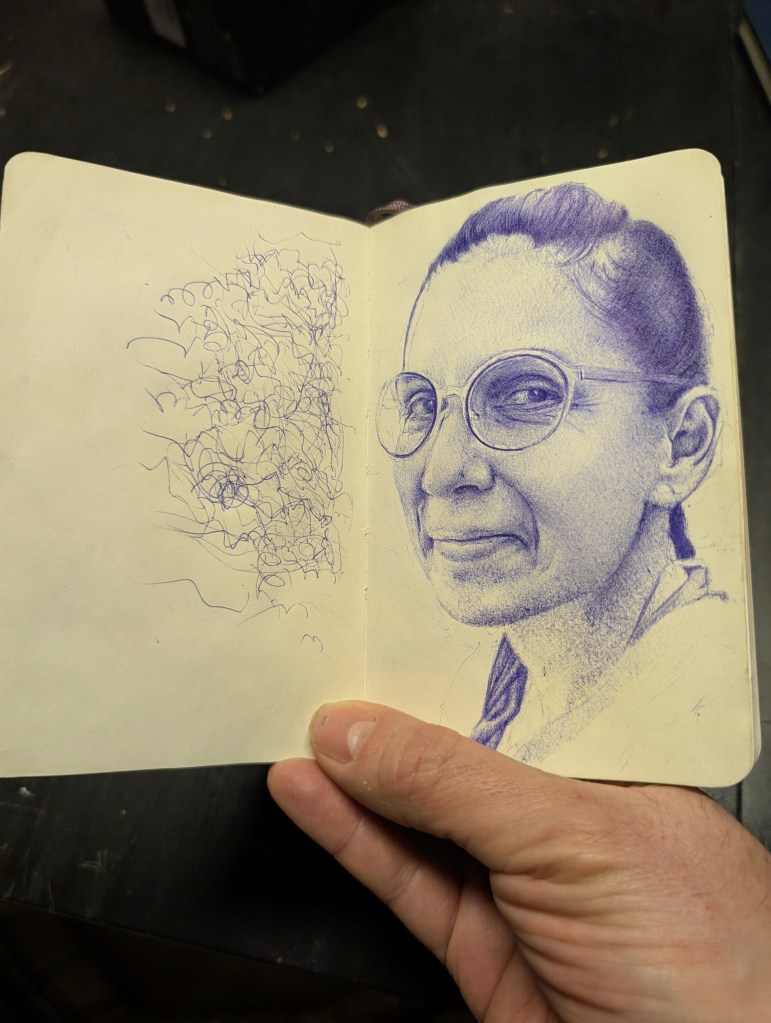
The sketchbook is not a repository of finished thoughts, but a site of inquiry — where drawing becomes a form of thinking in motion. In these pages, speculation precedes resolution. Ideas emerge, dissolve, and reconfigure. Errors are not corrected but integrated; repetition is not redundancy but rehearsal.
This body of work treats the sketchbook not as a precursor to “real” art, but as a method in itself — a private theatre of thought, intuition, and tactile memory. The marks are immediate, unscripted, and often ambiguous, privileging process over product. Rather than pursuing polish, these works embrace the fragmentary and the unresolved as vital modes of engagement.
In Sketchbook as Method, every page is a record of encounter — with the world, with the hand, with the limits of the medium and the self.

 Carlos Fentanes